




Why packaging trends matter more than ever in 2026
Packaging is no longer a minor operational decision for cafés, food trucks and hospitality venues. Today’s customers are more informed, councils are enforcing stricter regulations and rising costs leave little room for mistakes.
Packaging choices now influence brand perception, compliance and day-to-day service efficiency.
Australian food businesses are responding by choosing packaging that balances sustainability, performance and practicality. Trends are shifting away from novelty and towards solutions that work reliably under real service conditions.
Key drivers shaping packaging trends include:
- Customer expectations around sustainability
- Council and regulatory pressure
- The need for consistent performance in takeaway service
Suppliers like Elite Packaging play a critical role in helping businesses navigate these changes with confidence.
Compostable containers move into the mainstream
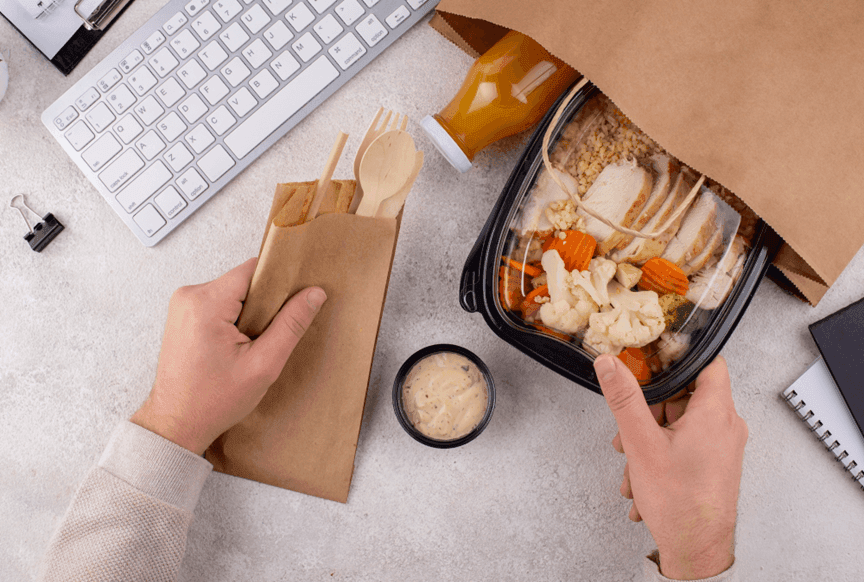
Compostable containers are no longer niche. In 2026, they are a standard consideration across cafés and food trucks, especially for takeaway meals. Advances in material quality mean compostable options now offer strength, heat resistance and reliable structure.
More food operators are moving toward compostable containers that work just as hard as traditional packaging. Whether it’s burgers, nourish bowls, or hot meals, the priority is finding solutions that maintain food quality while also reducing environmental impact. Today’s materials are designed to break down responsibly, yet still withstand moisture, grease, heat and the demands of takeaway and delivery
Successful compostable container use depends on:
- Matching materials to food type
- Understanding storage requirements
- Training staff on correct handling
Many of these options are now readily available within the Elite Packaging product categories, making adoption far easier than in previous years.
Biodegradable straws replace plastic by default
By 2026, biodegradable straws are no longer an optional add-on. They are the default choice across most Australian food service businesses. Paper, plant-based and other biodegradable materials have improved significantly, offering better durability and mouthfeel.
The shift away from plastic straws aligns with both customer expectations and regulatory direction. Businesses are selecting straw options that hold up in cold drinks without disintegrating too quickly.
Key considerations when choosing biodegradable straws include:
- Resistance to moisture during use
- Compatibility with different cup lids
- Storage conditions to maintain quality
Straws may be small, but they carry a strong visual and environmental message.
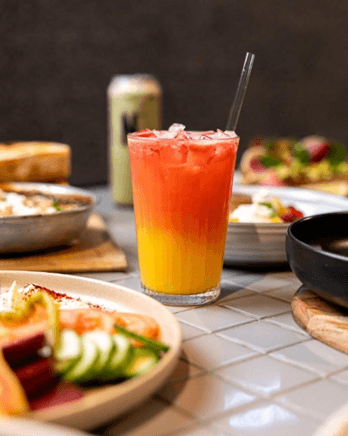
Pictured: 100% marine biodegradable and compostable straw made from recycled wood and vinegar.
Fibre-based packaging continues to gain ground
Fibre-based packaging is one of the fastest-growing trends in 2026. Bowls, trays and containers made from moulded fibre are becoming common across takeaway menus, especially for dine-in alternatives and short-haul takeaway.
These materials appeal to customers while offering solid performance when matched correctly to menu items. Fibre packaging is often chosen for lighter meals, salads and dry or semi-moist foods.
Fibre packaging works best when:
- Food temperature is controlled
- Holding times are short
- Lids and bases are correctly paired
The growing variety of fibre-based packaging options is making it easier for food businesses to adopt more sustainable solutions without changing the way they operate.
With a broader range of shapes, sizes and barrier capabilities now available, operators can find fibre alternatives that match the performance of traditional packaging across different menu items. This means kitchens can maintain speed of service, portion control and food presentation while gradually expanding their sustainable packaging mix.
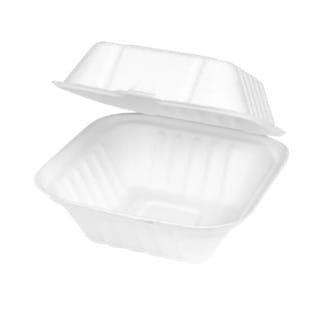
Pictured: Burger Clam made from Sugarcane Pulp, a fibrous material.
Smarter packaging choices reduce waste and costs
Sustainability in 2026 is not just about materials. It is about smarter packaging systems. Businesses are reducing waste by simplifying packaging ranges and choosing multi-use formats that suit multiple menu items.
This approach reduces over-ordering, storage issues and packaging mismatches during busy service periods. Cafés and food trucks benefit from packaging that works across hot, cold, dine-in and takeaway scenarios.
A smarter packaging strategy includes:
- Fewer formats with broader use
- Consistent sizing across containers
- Reliable suppliers with scalable ranges
Reviewing options through the Elite Packaging catalogue helps businesses plan packaging that supports both sustainability and efficiency.
Preparing for future packaging expectations
The top packaging trends of 2026 point towards balance. Compostable containers, biodegradable straws and fibre-based materials are becoming standard, but only when they perform reliably in real-world service.
Food businesses that stay ahead of packaging trends protect their reputation, reduce waste and meet customer expectations without compromising speed or quality.
Elite Packaging supports Australian cafés and food operators with practical packaging solutions that align with current trends and future requirements.
If you are reviewing your packaging strategy for the year ahead, contact us to discuss packaging options that suit your menu, operations and sustainability goals.