



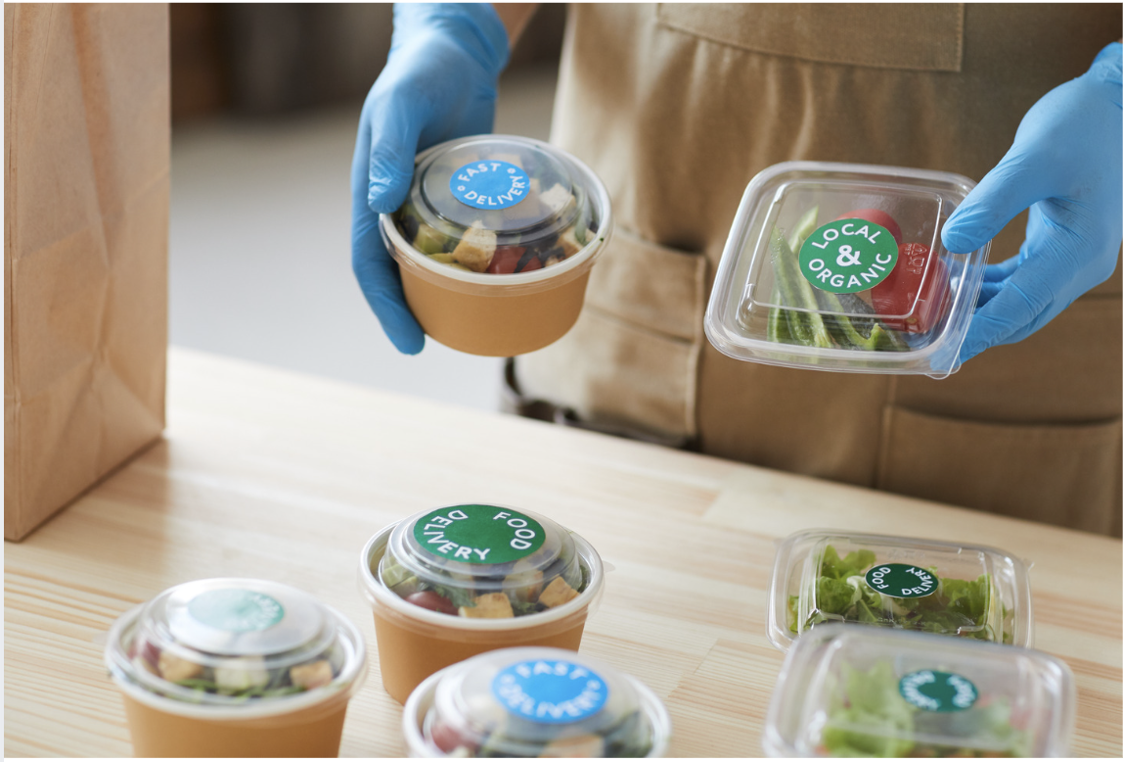
Packaging for an aged care kitchen comes with a different set of considerations than packaging for a café or takeaway shop. You’re not just trying to keep food fresh and make it easy to serve. You may also be dealing with different portion sizes, allergies, special diets and texture-modified meals.
In this environment, even a small oversight, such as choosing an unsuitable container or using an unclear label, can create unnecessary challenges for kitchen staff and care teams.
Choosing the right packaging is about more than convenience. It’s about supporting safe food handling, consistent meal preparation and the reliable delivery of meals to residents.
Why aged care packaging needs more thought
In a café, packaging is usually about keeping things quick, tidy and presentable. In aged care, there’s more to think about.
Meals often need to follow each resident’s dietary requirements, so it helps when portions, containers and labels are kept consistent. Staff should be able to look at a meal and quickly understand what it is and who it’s for, without having to second-guess anything.
Hygiene is another big part of it. You’re preparing and handling food for older people who may be more vulnerable to illness, so the packaging needs to work with the kitchen’s food safety processes, not make them harder.
Ultimately, the right packaging should simplify daily operations while helping staff deliver the correct meal to the correct resident in line with their documented requirements.
Portion Control and Consistency
Consistency starts with choosing containers that hold a fixed, known volume rather than whatever happens to fit. When kitchen staff are managing modified diets, fluid restrictions or calorie targets for individual residents, a container that varies portion by even a small amount undermines the care plan behind it. Standardising on a small range of container sizes, rather than mixing formats depending on what’s in stock, also makes staff training and audits considerably easier.
Labelling and identification
Labelling in an aged care kitchen usually needs to show more than just a name and date. If residents have texture-modified meals, allergies or their own meal plans, staff need to be able to see that information quickly and clearly.
The container matters here too. There should be enough space on the lid or another visible area for a label or handwritten note, without it smudging, peeling off or being hard to read.
It’s also worth considering how labels perform in the conditions the packaging will encounter. Moisture, refrigeration and food handling can affect some adhesives and handwritten markings, so the label and container should work together.
It’s worth looking at the packaging you’re currently using and asking a simple question: does it actually make labelling easier for the kitchen team? If staff are constantly trying to find somewhere to stick a label or write meal details, a different container might make the process a lot simpler.
Hygiene comes first
Food safety is a priority in aged care, where residents may be more vulnerable to foodborne illness. Packaging choices should therefore support the facility’s food safety management procedures, including appropriate food storage, handling and temperature control.
Containers should be suitable for their intended food contact and use, with lids and closures that perform as required. Facilities should also consider whether packaging can withstand the temperatures and handling conditions involved in their meal service.
Hygiene extends beyond food containers. Hand hygiene, appropriate personal protective equipment (PPE), cleaning products and sanitising supplies all contribute to maintaining a clean and well-managed kitchen environment.
Elite Packaging’s PPE & Hospitality range covers disposable gloves, antibacterial wipes and disinfectant for kitchen staff, alongside a broader Washroom & Hygiene range for the rest of the facility. Sourcing food packaging and hygiene consumables from the same supplier isn’t just convenient. It also means one less handover point where standards could slip.
Sustainability without compromising compliance
Eco-friendly packaging is a legitimate goal in aged care, the same as anywhere else, but it comes second to safety and compliance in this sector, not instead of them. Elite Packaging is an APCO member and carries eco-friendly options across its food packaging range, and there’s no reason a facility can’t move toward more sustainable materials as part of its purchasing decisions. The difference in aged care is that a material swap needs to be checked against food safety requirements and resident needs first. A compostable container that doesn’t hold up to the right temperature range, or a lid that doesn’t seal the way a texture-modified meal needs it to, isn’t a workable swap regardless of its sustainability credentials.
Why the supplier relationship matters
For aged care facilities, reliable access to food packaging, hygiene products and PPE is an important part of keeping daily operations running smoothly.
A supplier that understands the broader needs of commercial kitchens can help facilities review their requirements, identify suitable products and manage recurring orders more efficiently. Having access to several essential product categories through one supplier can also reduce the administrative burden of dealing with multiple purchasing contacts.
One aged care provider using Elite Packaging put it plainly: quality can’t be allowed to drop, and having food packaging, washroom and hygiene, and PPE available from a single supplier makes that easier to maintain day to day. That’s really the core of it. A food packing company that only thinks about packaging misses half the job in aged care. The hygiene and PPE side of the kitchen carries just as much weight.
Elite Packaging has been supplying packaging, hygiene and hospitality products across Australia for more than 50 years, including to aged care facilities.
If you’re reviewing the packaging your kitchen uses or just looking for a more reliable way to order the supplies you need, the team can help you work through the options. You can request a quote, have a look through the catalogue, or call (02) 8880 8333 to discuss what would work best for your facility.