




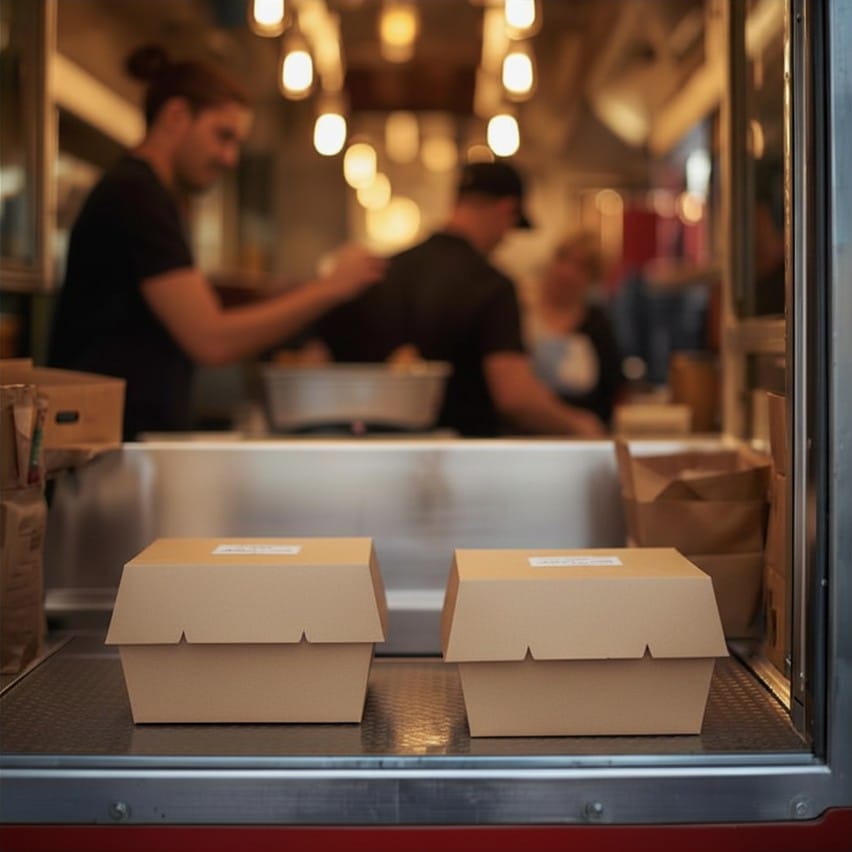
Consumers expect more from their food packaging in 2026. Environmental awareness and changes to packaging regulation in recent years has resulted in a new outlook on the food packaging industry. Food packaging is no longer seen as just a protective container for food, customers now view packaging as part of the overall brand experience and sustainability commitment. Key qualities such as environmentally responsible materials and ergonomic design increasingly influence how customers perceive a brand.
Businesses that understand and adapt to these changing expectations are more likely to strengthen customer loyalty and improve brand perception. Those that fail to keep up may find customers quietly turning to competitors that better align with their values.
This guide explores 2026 customer trends and how the food packaging industry is responding to these evolving demands.
One of the biggest changes in consumer expectations is the demand for environmentally responsible packaging. Sustainability has moved from being a competitive advantage to becoming a basic expectation for many customers.
Consumers are increasingly choosing products packaged in recyclable, compostable or renewable materials because they want to reduce environmental impact. As awareness grows, many customers actively look for packaging that supports responsible waste management.
In Australia, this shift is also being reinforced through regulation. The ACCC has identified greenwashing as a major compliance focus, meaning businesses can no longer rely on vague claims such as “eco-friendly” without clear evidence to support them.
Common sustainable packaging materials include:
Food brands that adopt environmentally responsible packaging often build stronger trust and loyalty with customers who prioritise sustainability.
Businesses looking to transition to more sustainable food packaging can explore the range of packaging options available through Elite Packaging’s products page where various commercial food packaging solutions are available.
Convenience continues to be a major factor influencing food packaging design. Modern consumers expect packaging that fits their fast paced lifestyle, especially as food trucks, takeaway only stores, delivery services, and grab and go meals become more common.
Convenience focused packaging typically includes:
For cafés and takeaway businesses, packaging that’s easy to carry, easy to open and spill-resistant doesn’t just improve convenience — it reduces complaints and repeat costs.
Food packaging is increasingly used as a branding tool. Customers often form their first impression of a product based on packaging design, especially in retail environments or when browsing food delivery platforms.
Strong packaging design helps businesses:
Modern packaging trends often include clean designs, distinctive shapes, and packaging that visually reflects the brand values and story.
Many cafés are now investing in custom-printed cups, bags and wrapping paper — turning every takeaway order into a walking advertisement for their brand, a tactic that is just as effective as word of mouth.
Consumers are becoming more informed and selective about the products they buy. This includes information about ingredients, sustainability practices, and packaging materials.
Customers increasingly look for packaging that communicates:
Providing transparent information helps customers make informed purchasing decisions while strengthening trust in the brand.
Simply adding information like a compostable certification logo or a please recycle note on your packaging can go a long way in building that trust.
While sustainability and branding continue to influence packaging trends, food packaging must still perform its most important function: protecting food quality and safety.
Consumers expect packaging that preserves freshness, prevents contamination, and maintains food quality throughout transport and storage.
Modern packaging solutions are designed to:
With the continued growth of food delivery platforms, reliable packaging has become even more important. Businesses require packaging solutions that ensure food arrives in excellent condition while maintaining presentation and quality.
Businesses can browse the Elite Packaging packaging catalogue to review packaging options designed to protect food quality during takeaway and delivery.
Looking ahead, consumer expectations will likely continue to evolve as sustainability standards strengthen and packaging technology advances.
Several emerging trends are expected to shape food packaging in the coming years.
Businesses that adapt to these expectations early can strengthen their brand reputation while meeting the evolving demands of modern consumers.
If your food business is reviewing its packaging strategy, contact us to discuss packaging solutions that support modern food service operations.