



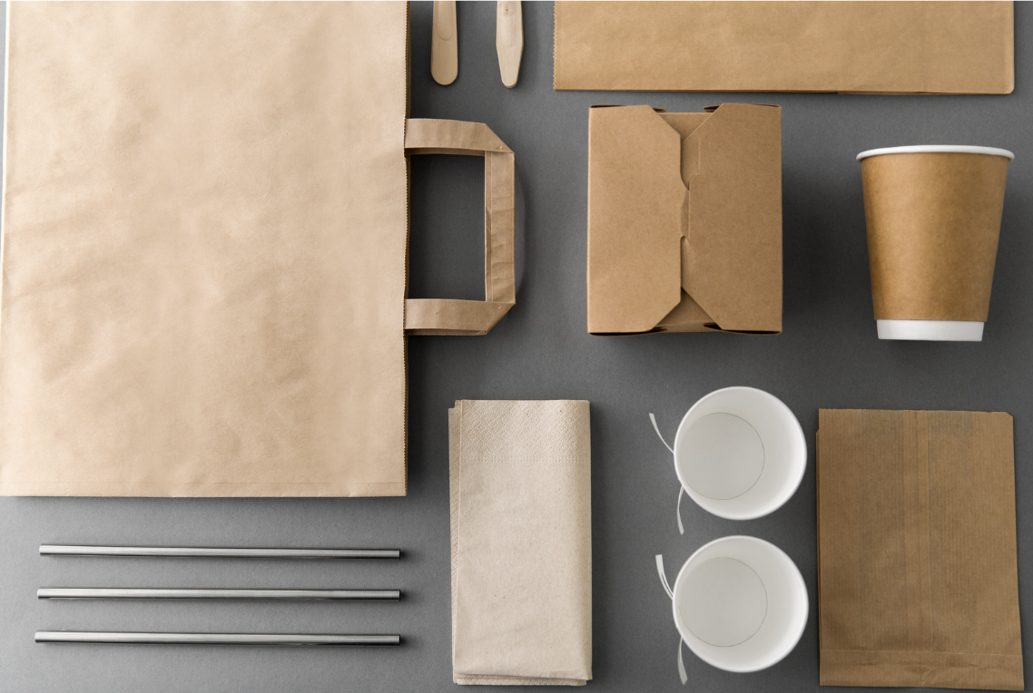
Most packaging conversations focus on the hero items. The box, the bag, the cup. Cutlery and napkins might seem like a small detail, but customers do notice when they’re not up to the job. A fork that bends halfway through a meal or a napkin that’s too thin to be useful can quickly take away from the experience.
For cafés, restaurants, takeaway businesses and catering operators, choosing the right disposable tableware is about more than convenience. It is about finding practical, reliable products that suit your menu, service style and brand.
Choosing cutlery that does the job
There’s actually more to choosing disposable cutlery than you might think. What works for a café serving cakes and sandwiches won’t necessarily work for a takeaway serving steak, pasta or heavier meals. The best option really comes down to what you’re serving and how your customers will be eating it. Standard plastic cutlery works fine for salads, pasta and general takeaway. Anything that needs real cutting force, a piece of chicken, a thicker cake, benefits from a heavier-gauge option that won’t snap mid-meal. This is the kind of detail a good food packaging company gets right without being asked. Elite Packaging also stocks FSC-certified wooden cutlery, which gives operators a genuine eco swap without asking customers to compromise on function.
Format matters as much as material. Cutlery pouches, where a fork, knife and napkin come sealed together, suit takeaway and delivery orders where hygiene and speed matter more than presentation. Loose cutlery from a bulk box works better for in-store dining, where staff are plating up rather than bagging orders. Self-serve stations sit in between: individually wrapped cutlery slows customers down slightly but avoids the mess of a shared bulk tray, while an unwrapped bulk box is faster to restock during a rush.
The goal is simple: choose a format that makes service easier while giving customers the utensils they need to enjoy their meal.
Napkins signal more than people think
Napkins are easy to overlook when ordering supplies, but their quality can influence how customers perceive your business.
A thin one-ply napkin might be perfectly fine for a takeaway counter, but it can feel a bit cheap in a sit-down restaurant where you’d expect something more substantial. Elite Packaging’s range includes both ends of that spectrum, from basic dispenser napkins through to Tork LinStyle napkins, made to look and feel like real fabric for restaurants where presentation carries weight with guests. The napkin should really just suit the type of place and how it’s going to be used. A casual café can get away with something simple, while a sit-down restaurant will usually want something a little more substantial.
The fold and size matter too. A dinner napkin works well for a proper table setting, while smaller cocktail napkins are usually enough for drinks and canapés. It’s a small choice, but using the right size and style helps everything on the table feel like it belongs together.
Choosing the right napkin comes down to understanding your customers, your menu and the level of service you provide. Greasy foods, saucy dishes and full meals generally benefit from more absorbent napkins, while smaller options can work well for lighter refreshments.
The same goes for doyleys and cake board liners. They’re inexpensive and easy to overlook, but they make a difference to how the final product is presented. Even something as simple as placing a dessert on a proper liner rather than straight onto bare cardboard gives it a more finished look.
Disposable Tableware That Balances Strength and Convenience
Disposable plates and tableware need to do more than hold food. They must be practical to handle, suitable for the dishes being served and appropriate for the setting.
A lightweight plate might be sufficient for a slice of cake or a small snack, but it may not provide enough support for a hot meal, a generous serving or food with sauces. Choosing a sturdier option can make serving and eating more comfortable, particularly at events where reusable crockery is impractical.
Pulp plates are another useful option, especially for catering and events. They’re sturdier than standard paper plates and compostable, making them a good middle ground when ceramic plates aren’t practical but a flimsy disposable plate won’t really suit the food being served.
Standardise where you can
For businesses managing high order volumes, standardising disposable cutlery, napkins and tableware can make everyday operations more efficient.
It keeps front-of-house training simple, avoids the awkward moment of running out of one format mid-service while a different one sits unused, and keeps the customer experience consistent regardless of who’s working the counter.
Standardisation can also improve stock control. When staff know which products belong with particular meals or service types, it becomes easier to monitor usage, identify shortages and plan replenishment before supplies run out.
Reduce Waste Without Compromising Convenience
Waste is worth thinking about here too, not just cost. Bundled cutlery pouches are convenient for delivery, but they mean every order gets a fork and knife whether the meal needs both or not. A pasta order doesn’t need a knife. Splitting cutlery from napkins for dine-in service, and only including what a dish actually requires for delivery, cuts down on unnecessary waste without changing the customer experience at all.
Material choices also deserve consideration. Wooden cutlery, paper napkins and pulp tableware may offer alternatives to conventional products, but businesses should check the specifications, certifications and disposal requirements of each item rather than assuming that every alternative is recyclable or compostable.
Where this fits with everything else
Cutlery, napkins and disposable tableware are rarely the largest items on a packaging invoice. Yet they are used frequently, ordered in bulk and included in countless customer interactions.
That makes them worth reviewing alongside your takeaway containers, bags and other food service essentials.
Before your next stock order, consider three key questions:
A few simple adjustments can help improve consistency, simplify stock management and reduce unnecessary waste.
Elite Packaging supplies food packaging Australia-wide, with cutlery, napkins and tableware sitting alongside the full range and hygiene supplies at trade pricing. If it’s time to review what’s going out with every order, you can request a quote, check current options in the catalogue, or call the team on (02) 8880 8333.